Andorra Bus Crash Deemed Most Serious Q1: Investigation Launched
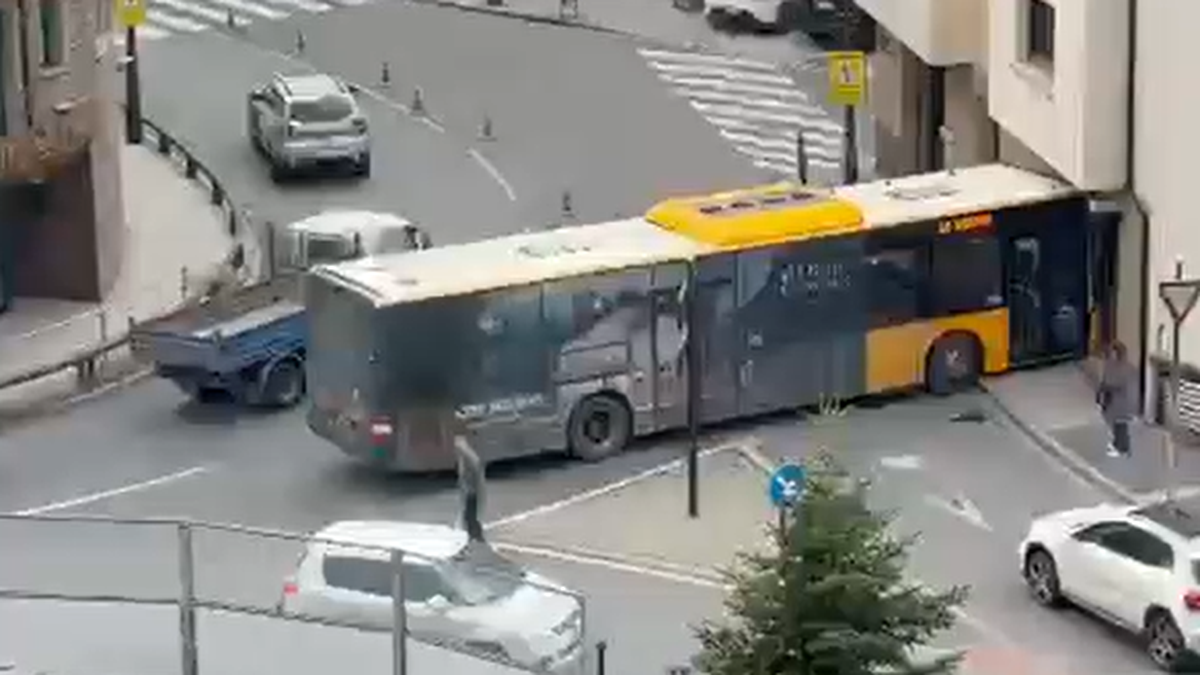
The tranquil Pyrenean principality of Andorra, renowned for its stunning landscapes and ski resorts, was recently shaken by a significant road incident. On March 4, 2026, a spectacular bus accident in Andorra's heart, specifically in the commune of La Massana, garnered widespread attention and prompted immediate official action. This particular
Andorra Bus Crashes into Restaurant: Driver Malaise, 4 Injured event has been officially designated as one of the most serious accidents of the first quarter, triggering a comprehensive investigation into its exact causes. The incident involved a public transport bus, two other vehicles, and resulted in four injuries, drawing a sharp focus on road safety protocols and driver welfare within the region.
The La Massana Incident: A Close Call in the Principality
The scene that unfolded in La Massana was indeed dramatic, captured almost live and quickly becoming a focal point of local news. Eyewitnesses reported a bus veering off its path before ultimately colliding with the façade of a restaurant. The primary cause, according to initial reports, was a sudden medical emergency experienced by the bus driver. The 37-year-old male driver reportedly lost consciousness at the wheel, leading to the loss of control over the heavy vehicle. This lapse in driver awareness, though involuntary, highlights a critical aspect of public transport safety.
In addition to the bus's impact with the building, the accident also involved two other vehicles: a car and a van, both of which sustained damage. Miraculously, despite the considerable damage to the restaurant's facade and the shattered front window of the bus, no one inside the establishment was harmed. Authorities confirmed that the restaurant was fortunately empty at the time of the collision, preventing what could have been a far more catastrophic outcome. The bus itself, a vital mode of transport in the compact principality, suffered extensive damage, particularly to its front end.
Four individuals required medical attention following the accident. Besides the bus driver, who was hospitalized, three passengers from the bus also sustained injuries. These included a 37-year-old man, a 27-year-old woman, and a 15-year-old teenager. All injured parties were promptly attended to by emergency services and transported to local health centers for treatment. While their conditions were not specified as critical, any injury resulting from such an
deadly coach accident near Andorra: 2 killed, investigation underway or similar incident warrants serious attention and follow-up.
The local authorities wasted no time in launching an official investigation. This probe aims to meticulously determine the precise circumstances leading up to the driver's malaise and the subsequent chain of events. Factors under consideration will undoubtedly include the driver's medical history, the bus's maintenance records, road conditions, and any other contributing elements. The designation of this as one of the most serious accidents of the first quarter underscores the principality's commitment to understanding and preventing future occurrences.
Broader Context: Road Safety Challenges in Mountainous Terrain
Andorra, situated in the high Pyrenees, presents unique challenges for road transport. Its mountainous terrain features winding roads, steep inclines, and often unpredictable weather conditions, which demand exceptional vigilance from drivers and robust maintenance for vehicles. While the La Massana incident focused on driver health, it's crucial to consider the broader spectrum of risks inherent to such environments.
To put the recent Andorra bus crash into perspective, one can look at other significant incidents in the region. For instance, a separate, more tragic coach accident occurred near Andorra on December 1, (a previous year), in the Porté-Puymorens station in the French Pyrénées-Orientales. This incident involved a Spanish coach traveling from Barcelona to Andorra, carrying 47 people. The bus violently impacted the left side of the road, resulting in a devastating outcome: at least two fatalities and ten seriously injured passengers, alongside 32 minor injuries. Passengers were predominantly Spanish and Colombian, and even a 4-year-old child was among the injured.
The Porté-Puymorens accident, which occurred on the mountainous RN320, highlighted different potential causes. Investigations into that incident considered both human error and possible technical failures, such as brake issues. The response to this event was a massive, multi-national effort, mobilizing nearly 200 firefighters from various French departments, supplemented by Catalan and Andorran emergency services, underscoring the complexities of cross-border incidents in this region. Evacuations extended to hospitals across Toulouse, Perpignan, Foix, and Puigcerdà.
These two distinct incidents – the La Massana bus crash and the Porté-Puymorens coach accident – while differing in cause and severity, collectively emphasize the critical importance of stringent safety measures in public transport operating in mountainous regions. They highlight the need for comprehensive driver health monitoring, impeccable vehicle maintenance, and well-rehearsed emergency response protocols across borders.
Unpacking the Investigations: Why Accidents Happen
The launch of an investigation following an accident, particularly one involving public transport, is a standard and crucial procedure. For the Andorra bus crash in La Massana, the primary focus will likely be on the driver's medical condition. Investigators will seek answers to several key questions:
- Driver's Medical History: Were there any pre-existing conditions that could have contributed to the sudden malaise? Was the driver undergoing regular medical check-ups as per regulations?
- Vehicle Condition: Despite the driver's health being the initial suspect, standard procedure dictates a thorough inspection of the bus's mechanical systems, particularly steering and braking, to rule out any contributing technical faults.
- Working Conditions: Factors such as driver fatigue, working hours, and rest periods will also be scrutinized, as these can indirectly impact a driver's well-being and alertness.
- Environmental Factors: While less likely to be primary in a driver malaise incident, road conditions, visibility, and traffic density at the time of the accident will be documented.
The findings from such investigations are invaluable. They not only determine culpability but, more importantly, inform future policy changes, enhance safety regulations, and contribute to preventing similar incidents. This could range from stricter medical screening for professional drivers to implementing new technologies for driver monitoring or vehicle safety.
For comparison, the investigation into the Porté-Puymorens accident would have cast a wider net, considering:
- Human Error: Driver distraction, misjudgment of road conditions, or speeding.
- Technical Malfunction: Brake failure, steering issues, or tire blowouts.
- Road Conditions: Ice, snow, visibility, or poor road maintenance.
Each accident, therefore, serves as a grim but vital lesson, pushing for continuous improvement in transport safety.
Ensuring Safety for Travelers and Locals: Practical Tips
Ensuring safety on buses and coaches, especially in challenging environments like Andorra, is a shared responsibility among operators, drivers, passengers, and authorities. Here are some practical tips and insights:
- For Bus Operators:
- Rigorous Driver Health Monitoring: Implement strict and regular medical examinations for all drivers, especially those operating public transport. Protocols should be in place for immediate reporting of any health concerns.
- Comprehensive Vehicle Maintenance: Adhere to and exceed regulatory standards for vehicle checks and maintenance. Special attention should be paid to braking systems, tires, and steering, particularly for vehicles navigating mountainous routes.
- Driver Welfare: Ensure drivers have adequate rest periods, reasonable working hours, and access to support systems to prevent fatigue and stress.
- Emergency Preparedness: Regularly train staff on emergency procedures, first aid, and evacuation protocols.
- For Travelers/Passengers:
- Choose Reputable Operators: Opt for bus companies with strong safety records and positive reviews.
- Pay Attention to Safety Briefings: Familiarize yourself with emergency exits, safety equipment, and procedures.
- Secure Belongings: Ensure luggage is stored safely to prevent it from becoming a projectile during sudden stops or impacts.
- Report Concerns: If you notice anything unusual about the driver's behavior or the vehicle's condition, discreetly report it to the operator or relevant authorities.
- For Drivers (General Advice for Mountainous Routes):
- Stay Alert and Well-Rested: Never drive when fatigued. Plan your journey to include sufficient rest stops.
- Know Your Vehicle: Understand your vehicle's capabilities and limitations, especially its braking performance on descents.
- Adapt to Conditions: Reduce speed significantly in adverse weather (rain, snow, ice) and on winding roads. Be aware of potential hazards like rockfalls.
- Regular Medical Check-ups: If you are a professional driver, prioritize your health and adhere to all mandatory medical screenings.
The proactive approach of the Andorran authorities in launching a full investigation and classifying the La Massana bus crash as a serious Q1 incident sets a precedent for prioritizing public safety. This vigilance, combined with continuous improvement in transport practices, is essential for maintaining confidence in Andorra's transport network, especially as key access routes, like the direct link from Toulouse, reopen for increased traffic.
In conclusion, the recent bus accident in Andorra, where a driver's sudden malaise led to a crash into a restaurant, serves as a stark reminder of the unpredictable nature of road incidents and the paramount importance of safety. While fortunate that no fatalities occurred in this particular "Accident Bus Andorre" event, the injuries sustained and the considerable damage necessitate a thorough investigation. By learning from both this incident and previous tragedies like the coach crash near Porté-Puymorens, authorities, operators, and individuals can collectively work towards fostering a safer travel environment in the beautiful yet challenging landscapes of the Pyrenees. The ongoing investigations will not only shed light on the exact causes but also guide future preventative measures to safeguard residents and visitors alike.