Deadly Coach Accident Near Andorra: 2 Killed, Investigation Underway
A somber cloud has fallen over the Pyrenees region following a catastrophic coach accident that tragically claimed two lives and left dozens injured near the Andorran border. The incident, which occurred on a treacherous stretch of road, has prompted a comprehensive investigation to determine its precise causes, sending shockwaves through the local community and those who frequently travel between Spain, France, and the Principality of Andorra. This grave event underscores the critical importance of road safety, particularly on the challenging mountainous routes that define this beautiful but demanding region.
The Tragic Details: A Deadly Journey to Andorra
The horrific accident unfolded on a Sunday evening in early December, around 5 PM, as dusk began to settle over the mountainous landscape of Porté-Puymorens, nestled in the Pyrénées-Orientales department of France. The ill-fated Spanish coach, carrying 47 individuals including its driver, was en route from Barcelona and headed towards the popular destination of Andorra when disaster struck.
According to initial reports from local authorities, the bus was navigating the RN320, a known mountainous artery that connects the Pyrénées-Orientales, Ariège, Andorra, and Spain. The vehicle reportedly deviated violently from its lane, impacting the left side of the road with extreme force before coming to a stop. The severity of the collision was immediately apparent, leading to a grim tally: two fatalities, ten individuals suffering from "urgence absolue" (critically severe injuries), and 32 others sustaining lighter injuries. The bus driver was among the injured and subsequently hospitalized, becoming a key figure in the unfolding investigation.
The passengers aboard the coach represented a diverse group, primarily composed of Spanish and Colombian nationals. Among the injured was a four-year-old child, thankfully listed in a relatively stable condition, though undoubtedly traumatized by the experience. The incident plunged families into despair and highlighted the unpredictable dangers inherent in long-distance bus travel, especially across demanding terrains. The provisional nature of the casualty count initially stressed by officials underscored the chaotic and rapidly evolving scene on the ground.
Massive Emergency Response and Cross-Border Collaboration
The sheer scale of the accident necessitated an immediate and formidable emergency response. Nearly 200 firefighters were mobilized from the Pyrénées-Orientales, with critical reinforcements arriving from neighboring departments such as Ariège and Aude. The incident, occurring in a border region, also triggered an impressive display of international cooperation, with Catalan and Andorran firefighters and medical teams swiftly crossing borders to lend their expertise and resources. This seamless collaboration proved vital in managing the large number of casualties and the complex logistics of the rescue operation.
The injured were swiftly triaged and evacuated to various medical facilities across the region, reflecting the extensive network of care required. Hospitals in Toulouse, Perpignan, Foix in France, and Puigcerdà, just twenty kilometers away on the Spanish side of the border, received the stream of victims. The coordination of such a multi-national emergency response is a testament to the robust protocols in place for disaster management in these interconnected European regions, yet it also serves as a stark reminder of the devastating impact of such tragedies.
Unraveling the Causes: The Ongoing Investigation
In the wake of such a devastating event, the primary focus quickly shifts to understanding *why* it happened. Authorities have launched a comprehensive investigation, with officials, including the sub-prefect Didier Carponcin, stating that no stone will be left unturned. The inquiry aims to ascertain whether the tragedy was the result of human error – such as driver fatigue, distraction, a sudden medical emergency affecting the driver, or misjudgment of road conditions – or a critical technical failure, potentially involving the bus's braking system or other mechanical components.
Investigators will meticulously examine various factors:
- Vehicle Inspection: A thorough examination of the coach's maintenance records, its mechanical condition prior to the crash, and any evidence of equipment malfunction.
- Driver's Condition: Analysis of the driver's health, rest periods, and any potential substances in their system. The driver's testimony, once recovered, will be crucial.
- Road Conditions: Assessment of the road surface, signage, lighting, and any environmental factors such as weather (darkness, potential ice or wet patches) that might have contributed.
- Black Box Data: Modern coaches often have data recorders (similar to aircraft black boxes) that can provide vital information about speed, braking, steering, and other vehicle parameters leading up to the crash.
The investigation is expected to be complex and lengthy, given the multiple variables involved. Its findings will not only provide answers to the grieving families but also inform future safety measures to prevent similar incidents on this vital cross-border route.
Broader Context: Road Safety in Mountainous Regions and Recent Incidents
This tragic bus accident near Andorra is not an isolated incident concerning vehicular safety in the region. The mountainous terrain of the Pyrenees presents unique challenges for drivers and vehicles alike. Steep gradients, winding roads, unpredictable weather changes (from clear skies to dense fog or icy conditions in minutes), and narrow passages demand extreme caution, well-maintained vehicles, and highly skilled drivers.
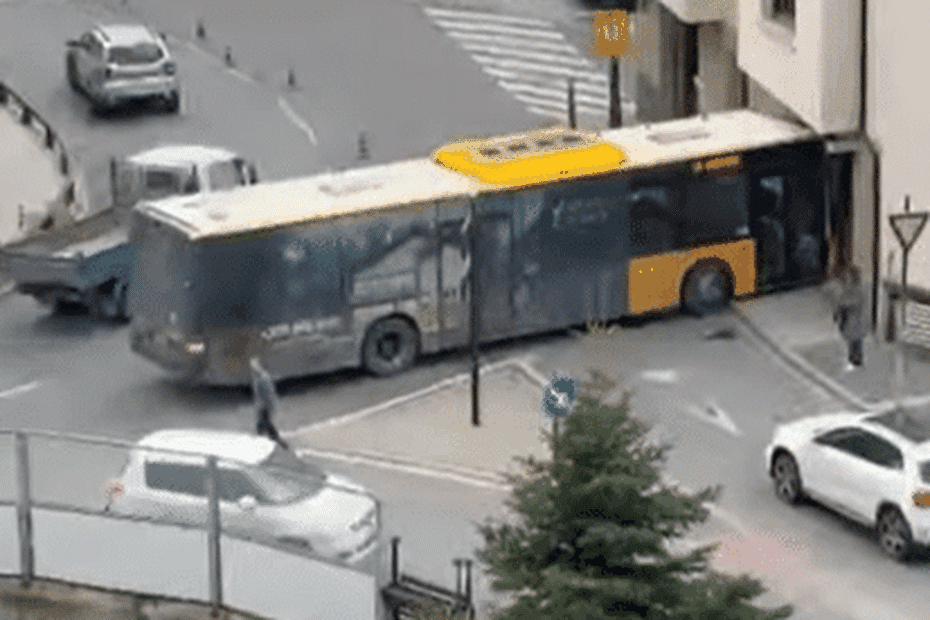
Just months prior, in March 2026, another significant bus incident occurred directly within the Principality of Andorra. A bus spectacularly crashed into the façade of a restaurant in La Massana after its driver reportedly lost consciousness at the wheel. This event, which involved two other vehicles and resulted in four injuries (three passengers and the driver), fortunately did not lead to any fatalities. The restaurant was empty at the time, preventing what could have been a far more catastrophic outcome. The injured included a 37-year-old male driver, a 37-year-old male passenger, a 27-year-old female passenger, and a 15-year-old teenage girl. Local authorities confirmed this to be one of the most serious accidents of the first quarter, also prompting an investigation. You can read more about this incident at
Andorra Bus Crashes into Restaurant: Driver Malaise, 4 Injured and further insights into the official response at
Andorra Bus Crash Deemed Most Serious Q1: Investigation Launched.
These events highlight an ongoing need for vigilance and robust safety protocols for all vehicles operating in this region. Whether it’s an "Accident Bus Andorre" resulting in fatalities or a serious crash leading to injuries, each incident serves as a critical reminder of the inherent risks.
Ensuring Future Safety: Lessons Learned from Bus Accidents Near Andorra
The lessons gleaned from these tragedies are paramount for enhancing road safety. Preventing future "Accident Bus Andorre" incidents requires a multi-faceted approach involving operators, regulators, and passengers.
Key areas for improvement and focus include:
- Stricter Vehicle Maintenance: Regular and rigorous inspections, especially for braking systems, tires, and steering, are crucial for vehicles operating in demanding mountain environments.
- Enhanced Driver Training: Specialized training for drivers navigating mountainous routes, focusing on defensive driving, managing steep descents, and understanding the unique challenges of adverse weather conditions.
- Driver Fatigue Monitoring: Strict adherence to and enforcement of driver rest regulations, potentially incorporating technology to monitor fatigue levels.
- Infrastructure Improvements: Continuous evaluation and upgrade of road infrastructure, including better signage, guardrails, and emergency runaway ramps on steep descents.
- Technological Aids: Adoption of advanced driver-assistance systems (ADAS) in coaches, such as lane-keeping assist, automatic emergency braking, and electronic stability control.
- Passenger Awareness: Encouraging passengers to remain seated with seatbelts fastened when available, and to be aware of safety procedures.
These collective efforts are essential to mitigate risks and ensure that journeys through the beautiful Pyrenees, whether for tourism or daily commute, remain as safe as possible.
Conclusion
The deadly coach accident near Andorra, which tragically cost two lives and injured many more, stands as a stark reminder of the inherent risks associated with road travel, particularly in challenging terrains. While the investigation into the Porté-Puymorens crash is ongoing, authorities are committed to uncovering the truth to prevent future tragedies. This incident, alongside the more recent bus crash into a restaurant in La Massana, underscores the critical importance of continuous vigilance, stringent safety measures, and robust emergency response systems in the region. As the community mourns the losses and supports the injured, the focus remains firmly on learning from these events to ensure that journeys across and to Andorra are as safe as they can possibly be.